
Arizona state troopers arrested a Phoenix woman along Interstate 17 near Anthem after officers determined she was allegedly driving at extreme speeds while impaired, according to AZ Family. During the stop, the trooper reported smelling alcohol on the driver’s breath and observed signs of impairment during field sobriety testing. The driver was taken into custody on suspicion of DUI. She later admitted to consuming a “99 Bananas” alcoholic drink roughly two hours before driving. Her 8-year-old daughter, who was in the back seat at the time of the stop, was later released to a family member.
This case highlights the severe risks posed by impaired driving combined with excessive speed, especially when a child passenger is involved. Arizona aggressively prosecutes DUI charges, and DUI enforcement is intensified during holiday periods, when traffic volumes and impaired driving risks increase. Oliverson Law, we recognize that DUI charges carry serious and lasting consequences, especially when speeding was involved. Our team provides experienced, strategic representation to individuals facing DUI charges in the Phoenix and surrounding areas, working to protect their rights and pursue the best possible outcome. If you or a loved one has been charged with a DUI in the Phoenix area, call us at (480) 757-2164.
How an Attorney Handles a Phoenix DUI Charge Involving Speeding
A Phoenix DUI charge involving speeding requires immediate, strategic action, and Oliverson Law approaches these cases with a detailed, defense-focused plan from the outset. Our experienced attorneys will closely examine the traffic stop to determine whether law enforcement had a lawful reason to initiate the stop and whether speed estimates were properly measured using calibrated equipment or pacing methods. Our dedicated counsel will also scrutinize field sobriety testing conditions, body-camera footage, and any alleged admissions to identify procedural errors or constitutional violations that could weaken the prosecution’s case.
Beyond the initial stop, our attorneys will help analyze aggravating factors that prosecutors often emphasize, such as alleged excessive speed, roadway conditions, and the presence of passengers. At Oliverson Law, we work to challenge breath or blood test reliability, question the timing of alcohol consumption, and mitigate sentencing exposure by presenting favorable evidence such as a clean driving history or compliance with court-ordered conditions. With potential penalties including jail time, license suspension, and enhanced fines, experienced legal representation is critical to protecting your rights and pursuing the best possible outcome.
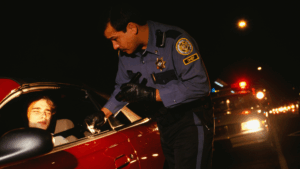
How Speeding Elevates a DUI Charge in Phoenix
Speeding can significantly change how a DUI case is charged and prosecuted in Phoenix courts. When alcohol impairment combines with excessive speed, law enforcement often views the situation as exceptionally dangerous. As a result, prosecutors may pursue harsher penalties and enhanced charges from the outset. Understanding how speed affects a DUI case is critical for protecting your rights and legal options.
Why Speed Matters in a DUI Investigation
Speeding plays a significant role when prosecutors evaluate the seriousness of a DUI allegation in Phoenix. When excessive speed is involved, officers often assume a higher level of impairment and poor judgment. As a result, the case may be treated more aggressively from the initial charging decision. This combination often increases the likelihood of enhanced penalties and stricter court oversight.
Speed as Evidence of Impairment
Prosecutors frequently argue that excessive speed demonstrates impaired decision-making caused by alcohol or drugs. Even without extreme BAC levels, speed can be used to support impairment allegations. Therefore, speeding may strengthen the state’s narrative during plea negotiations or trial. This makes challenging speed evidence an important defense strategy.
Enhanced Penalties Linked to Speeding
When speeding accompanies a DUI, courts often view the offense as more dangerous to public safety. Consequently, judges may impose harsher penalties than in standard DUI cases. These penalties can include longer jail exposure, higher fines, and extended probation terms. Speeding allegations can also reduce sentencing flexibility.
Increased Risk of Aggravated DUI Charges
In certain situations, speeding can contribute to aggravated DUI accusations under Arizona law. For example, extreme speed combined with impairment may suggest reckless driving behavior. This escalation can expose defendants to felony charges instead of misdemeanors. As a result, the long-term consequences may become far more severe.
How Speeding Impacts DUI Defense Strategies
A DUI defense involving speeding requires careful examination of both impairment and traffic evidence. Attorneys often analyze how speed was measured and whether equipment was properly calibrated. Additionally, road conditions and traffic flow may contradict excessive speed claims. Challenging these factors can significantly weaken the prosecution’s case.
Importance of Early Legal Representation
Because speeding can elevate a DUI charge quickly, early legal guidance is critical. An experienced attorney can intervene before evidence solidifies against the driver. Moreover, early action may preserve defenses related to traffic stops and speed assessments. This proactive approach often improves case outcomes and negotiation leverage.
Legal Consequences for a Phoenix DUI Charge Involving Speeding
A Phoenix DUI charge involving speeding can carry significantly harsher consequences than a standard DUI. Courts often view the combination of impairment and excessive speed as a serious public safety threat. As a result, penalties may increase quickly based on the surrounding circumstances. Understanding these potential consequences is critical when evaluating defense options.
Increased Criminal Penalties
Speeding can lead prosecutors to seek enhanced penalties in DUI cases. Judges may impose longer jail sentences and higher fines when speed is a factor. Probation terms may also become more restrictive and closely monitored. These consequences can impact daily life long after the case ends.
Higher Fines and Court Costs
DUI cases involving speed often result in increased financial penalties. Courts may impose additional fines beyond standard DUI assessments. Court costs, surcharges, and fees can accumulate quickly. These financial burdens can create lasting strain for defendants.
License Suspension and Driving Restrictions
A Phoenix DUI charge involving speeding often affects driving privileges. Arizona law allows for administrative and court ordered license suspensions. Drivers may face extended suspension periods or stricter reinstatement requirements. These restrictions can disrupt employment and family responsibilities.
Ignition Interlock and Monitoring Requirements
Courts frequently require ignition interlock devices after DUI convictions. Speeding allegations may result in longer interlock periods. Additional monitoring conditions may also be imposed. These requirements add ongoing costs and inconvenience.
Potential for Aggravated or Felony Charges
In some cases, speeding contributes to aggravated DUI allegations. Extreme speed may support claims of reckless driving or endangerment. This escalation can expose defendants to felony charges. Felony convictions carry severe long term consequences.
Impact on Criminal Record and Employment
A DUI conviction involving speeding can remain on a criminal record for years. Employers may view these offenses as indicators of poor judgment. Background checks can affect job opportunities and professional licenses. The long term effects often extend well beyond court penalties.
Civil and Insurance Consequences
Beyond criminal penalties, civil consequences may follow a DUI conviction. Insurance premiums often increase significantly after a DUI. Speeding allegations may further elevate risk classifications. These increases can last for several years.
Liability Exposure After Accidents
If speeding and impairment result in an accident, civil liability may increase. Injured parties may pursue compensation through lawsuits. Courts may view excessive speed as evidence of negligence. These claims can lead to substantial financial exposure.
Can Speeding Turn a Misdemeanor DUI Into a Felony in Phoenix
Speeding can play a critical role in whether a DUI charge remains a misdemeanor or escalates to a felony in Phoenix. While speeding alone does not automatically create a felony DUI, it often contributes to aggravating factors. Prosecutors frequently use excessive speed to argue increased danger to public safety. As a result, the overall circumstances of the stop matter greatly.
When Speeding Contributes to Aggravated DUI Charges
Arizona law defines aggravated DUI based on specific statutory factors. Speeding may combine with other elements to elevate the charge. These factors often include license status, prior convictions, or passenger circumstances. When combined, prosecutors may pursue felony charges.
Extreme Speed and Reckless Driving Allegations
Excessive speed may support a reckless driving allegation alongside a DUI. Reckless driving involves a conscious disregard for safety under Arizona law. Prosecutors may argue that very high speeds demonstrate this disregard. This combination can significantly increase criminal exposure.
Prior DUI Convictions and Speeding
Repeat DUI offenses carry far more severe penalties under Arizona law. Speeding during a subsequent DUI arrest may influence charging decisions. Prosecutors often use speed to argue escalating dangerous behavior. This pattern can increase the likelihood of felony treatment.
Time Frame for Prior Convictions
Arizona considers prior DUI convictions within a defined lookback period. If a driver has multiple convictions within this window, charges may escalate. Speeding can further strengthen the prosecution’s position. These factors together may justify felony filing.
Speeding With Passengers or Children in the Vehicle
Speeding while impaired with passengers can raise serious legal concerns. When a child is present, prosecutors may argue endangerment. This allegation can support aggravated DUI or additional felony charges. Courts often view these cases as especially serious.
Child Endangerment and Sentencing Exposure
Child endangerment may result in separate criminal charges. Speeding increases perceived risk to the child’s safety. Judges often consider this factor during sentencing. The presence of a child can dramatically change case outcomes.
Speeding During a DUI While Driving on a Suspended License
Driving on a suspended license already elevates DUI exposure. Speeding during such an offense may reinforce felony allegations. Prosecutors may argue repeated disregard for traffic laws. This combination often results in aggravated DUI charges.
Mandatory Felony Penalties
Felony DUI convictions carry mandatory prison exposure in many cases. Sentencing options become far more limited for judges. Speeding may reduce opportunities for leniency. These penalties can have long term personal and professional consequences.
Why Legal Representation Is Critical
Whether speeding turns a DUI into a felony depends on nuanced legal factors. An experienced attorney can analyze how speed evidence is used. Defense counsel may challenge whether aggravating elements are legally sufficient. Early legal intervention can prevent unnecessary charge escalation.
When to Contact an Attorney After Getting a Phoenix DUI Charge Involving Speeding
After receiving a Phoenix DUI charge involving speeding, contacting an attorney should be a top priority. The early stages of a case often determine how much leverage the defense can maintain. Acting quickly allows an attorney to review the arrest details before critical evidence is lost. This proactive step can significantly influence the direction of the case.
Immediately After the Arrest
The period following a DUI arrest is one of the most important phases of the legal process. During this time, officers complete reports that shape the prosecution’s narrative. An attorney can identify inconsistencies or errors before they become entrenched in the case. Early involvement also helps protect your constitutional rights during questioning.
Protecting Your Driving Privileges
Arizona imposes strict deadlines related to license suspension after a DUI arrest. Missing these deadlines can result in automatic loss of driving privileges. An attorney can request hearings and challenge administrative suspensions on your behalf. This action may allow you to continue driving while your case proceeds.
Before Speaking With Prosecutors or Insurance Companies
Statements made to prosecutors or insurance representatives can be used against you later. Even seemingly harmless explanations may weaken your defense. Consulting an attorney first ensures that communication is handled carefully and strategically. This guidance helps prevent unintended self-incrimination.
Building a Strong Defense Strategy Early
Speeding-related DUI cases often involve technical evidence and aggravating allegations. An attorney can begin evaluating speed measurements, impairment tests, and dash camera footage promptly. Early case preparation strengthens negotiation positions and trial readiness. This approach often leads to more favorable resolutions.
Common Defenses for a Phoenix DUI Charge Involving Speeding
Defending a Phoenix DUI charge involving speeding requires a focused and evidence driven strategy. Prosecutors often rely on speed allegations to strengthen impairment claims. However, speed alone does not prove intoxication or unlawful conduct. A strong defense challenges both the traffic violation and the DUI allegations together.
Challenging the Legality of the Traffic Stop
Every DUI case begins with a traffic stop that must meet legal standards. If the stop was unlawful, all resulting evidence may be suppressed. Defense attorneys closely examine whether officers had reasonable suspicion to initiate the stop. This review often becomes a critical turning point in the case.
Questioning Probable Cause for Speeding
Officers must clearly articulate how they determined a vehicle was speeding. Visual estimates alone may be unreliable under certain conditions. Attorneys analyze traffic flow, lighting, and roadway design. These factors may undermine the officer’s justification for the stop.
Disputing Speed Measurement Accuracy
Speeding allegations depend heavily on measurement tools and officer training. Radar and pacing methods are not infallible. Errors in calibration or usage can significantly affect accuracy. Challenging these measurements can weaken the prosecution’s case.
Reviewing Radar and Lidar Calibration Records
Speed detection devices require routine testing and proper maintenance. Attorneys request calibration logs and training certifications. Missing or outdated records may render speed evidence unreliable. This defense often creates reasonable doubt.
Separating Speed From Impairment Allegations
Speeding does not automatically indicate alcohol impairment under Arizona law. Prosecutors must still prove actual impairment while driving. Defense strategies emphasize this legal distinction. This separation can reduce the impact of speed allegations.
Explaining Alternative Reasons for Speed
Drivers may speed for reasons unrelated to impairment. Heavy traffic flow or unfamiliar roadways may contribute. Attorneys present context to explain driving behavior. This approach challenges assumptions about intoxication.
Challenging Field Sobriety Test Results
Field sobriety tests often play a central role in DUI prosecutions. These tests are sensitive to environmental and physical factors. Poor conditions can affect performance regardless of sobriety. Defense attorneys scrutinize how tests were administered.
Identifying Improper Test Conditions
Uneven pavement, weather, or footwear can impact test results. Anxiety and fatigue may also affect balance and coordination. Attorneys highlight these issues to reduce evidentiary weight. This defense can significantly weaken impairment claims.
Contesting Chemical Test Evidence
Breath and blood tests must follow strict procedures to be admissible. Errors can occur during collection, storage, or analysis. Defense attorneys review every step of the testing process. Even small mistakes may affect results.
Timing and Rising Blood Alcohol Arguments
Alcohol absorption changes over time after drinking. Test results may not reflect impairment at driving time. Attorneys may present rising blood alcohol defenses. This strategy can challenge the prosecution’s timeline.
Addressing Alleged Aggravating Factors
Prosecutors often emphasize speed to argue increased danger. Defense counsel challenges whether aggravating claims meet legal standards. Contextual evidence may reduce perceived severity. This defense helps limit enhanced penalties.
Mitigating Risk and Sentencing Exposure
Even when evidence exists, mitigation remains important. Attorneys present favorable driving history and compliance efforts. These factors may influence negotiations and sentencing. Effective mitigation can protect long term interests.
Importance of a Coordinated Defense Strategy
Speed related DUI cases involve technical and legal complexity. A coordinated defense addresses each allegation methodically. Early preparation strengthens negotiation and trial readiness. This approach often leads to better outcomes for defendants.
Steps to Take Immediately After a Phoenix DUI Arrest for Speeding
The actions you take immediately after a Phoenix DUI arrest for speeding can significantly affect your case. Early decisions often shape the strength of your defense and your available legal options. Acting carefully and deliberately helps protect your rights from the outset. Understanding these steps can prevent avoidable mistakes.
Remain Calm and Comply With Law Enforcement
During the arrest, remaining calm is essential for protecting your legal position. Arguing or resisting can lead to additional charges and complications. Compliance does not mean admitting guilt or providing unnecessary explanations. Staying composed helps avoid worsening the situation.
Avoid Making Incriminating Statements
Anything you say during or after the arrest may be used against you later. Even casual remarks can be interpreted as admissions. You are not required to explain your actions or drinking history. Limiting statements protects your defense moving forward.
Request Legal Counsel as Soon as Possible
Contacting an attorney promptly is one of the most important steps after arrest. Early legal guidance helps prevent costly procedural mistakes. An attorney can advise you before deadlines expire. This step strengthens your position from the beginning.
Understand Your Right to Remain Silent
You have the right to decline answering investigative questions. Exercising this right cannot be used against you in court. Politely requesting an attorney signals that you are protecting your rights. This decision often limits damaging evidence.
Address License Suspension Deadlines Immediately
Arizona DUI arrests trigger strict administrative deadlines related to driving privileges. Missing these deadlines may result in automatic license suspension. An attorney can request hearings to challenge suspension actions. Acting quickly may preserve your ability to drive.
Request an MVD Hearing
Drivers typically have a short window to request a Motor Vehicle Division hearing. This hearing is separate from the criminal case. It provides an opportunity to challenge license suspension. Failure to act often results in loss of driving privileges.
Preserve Evidence Related to Speed and Impairment
Evidence can disappear quickly after a DUI arrest involving speeding. Video footage, witness information, and vehicle data may be lost over time. Preserving this evidence supports your defense strategy. Early action can prevent permanent loss.
Document Your Recollection of the Incident
Writing down details soon after arrest helps preserve accuracy. Include road conditions, traffic flow, and officer behavior. These details may become important later. Memory fades quickly without documentation.
Avoid Discussing the Case With Others
Discussing your case with friends or online can create risk. Statements shared with others may reach prosecutors. Social media posts can be misunderstood or misused. Keeping the matter private protects your defense.
Limit Social Media Activity
Posts related to driving, alcohol, or the arrest may be taken out of context. Prosecutors often review social media during investigations. Avoid posting anything related to the incident. Silence online helps avoid unintended consequences.
Begin Preparing for the Legal Process
A DUI charge involving speeding can move quickly through the court system. Preparation helps reduce stress and confusion. Understanding the process allows better decision making. Early preparation improves long term outcomes.
Follow All Release and Court Instructions
Failure to follow court orders can result in additional penalties. Attend all hearings and comply with conditions of release. Demonstrating responsibility may help your case. Compliance reflects positively during negotiations and sentencing.

Actions a Phoenix Defense Attorney Takes to Help Clients Facing a DUI Charge Involving Speeding
A Phoenix DUI charge involving speeding requires a detailed and strategic legal response from the very beginning. Defense attorneys focus on protecting clients from enhanced penalties tied to speed allegations. Early legal intervention allows counsel to shape the narrative before prosecutors solidify their case. This proactive approach often improves negotiation leverage and long term case outcomes.
Conducting a Thorough Case Evaluation
A defense attorney begins by reviewing every detail of the arrest and charging documents. This evaluation helps identify weaknesses in the prosecution’s allegations early. Attorneys assess whether law enforcement followed required procedures during the stop and arrest. A strong initial review sets the foundation for an effective defense strategy.
Analyzing Police Reports and Evidence
Police reports often include assumptions, omissions, or inconsistencies that can be challenged. Attorneys compare reports with body camera footage and dispatch logs. Any discrepancies may weaken the officer’s credibility in court. This detailed analysis can influence charging decisions and negotiations.
Investigating the Traffic Stop and Speed Allegations
A defense attorney closely examines why the officer initiated the traffic stop. Speed measurements must rely on accurate methods and properly calibrated equipment. Attorneys analyze radar data, pacing techniques, and surrounding traffic conditions. Weaknesses in these areas can undermine the legality of the stop.
Questioning Speed Measurement Accuracy
Radar and pacing methods require training, maintenance, and proper environmental conditions. Attorneys review calibration records and officer certification history. Road design, traffic congestion, and visibility may affect speed estimates. These factors can raise reasonable doubt regarding alleged speeds.
Challenging Impairment Evidence
Speeding alone does not prove impairment under Arizona DUI laws. A defense attorney evaluates the officer’s observations and testing methods. Poor lighting, uneven surfaces, or unclear instructions can affect test performance. Challenging impairment evidence is often critical to reducing charges.
Reviewing Field Sobriety Test Administration
Field sobriety tests must follow standardized protocols to be considered reliable. Attorneys examine whether tests were administered correctly and fairly. Medical conditions, fatigue, or anxiety may explain poor performance. These arguments can significantly weaken impairment claims.
Reviewing Chemical Test Procedures
Chemical testing plays a major role in DUI prosecutions involving speeding allegations. Attorneys examine whether breath or blood samples were collected properly. Timing, storage conditions, and testing methods must meet strict standards. Any deviation may affect admissibility or accuracy.
Examining Laboratory Compliance and Chain of Custody
Laboratories must maintain strict compliance when handling DUI samples. Attorneys review documentation for gaps or mishandling issues. Breaks in the chain of custody can compromise test reliability. These findings may lead to suppressed or reduced evidence.
Addressing Aggravating Factors Alleged by Prosecutors
Prosecutors often emphasize speed to argue increased danger to public safety. A defense attorney challenges whether aggravating factors are supported by evidence. Context such as traffic flow and roadway conditions may reduce perceived severity. This approach helps counter arguments for enhanced penalties.
Countering Claims of Reckless Driving
Reckless driving allegations often accompany DUI speeding charges. Attorneys analyze whether conduct truly meets the legal definition of recklessness. Speed alone may not justify this enhancement. Challenging this claim can prevent additional charges.
Mitigating Penalties and Negotiating Outcomes
When dismissal is unlikely, attorneys focus on minimizing potential consequences. Defense counsel presents mitigating factors such as clean driving history or compliance with court requirements. Negotiations may lead to reduced charges or alternative sentencing options. This advocacy helps protect long term personal and professional interests.
Preparing for Court and Sentencing Hearings
Defense attorneys prepare clients for every court appearance and hearing. This preparation includes guidance on behavior, documentation, and expectations. Effective advocacy during sentencing can influence judicial discretion. Thorough preparation often leads to more favorable outcomes.
Reach Out to an Experienced Phoenix DUI Defense Lawyer Today
Facing DUI allegations can be overwhelming, especially when they involve aggravating factors such as excessive speed or heightened penalties. At Oliverson Law, our legal team understands the seriousness of DUI charges and how quickly they can impact your freedom, driving privileges, and future opportunities. We take a personalized approach to every case, carefully reviewing the evidence, explaining your options, and developing a defense strategy tailored to your specific circumstances. Our goal is to protect your rights while working toward the most favorable resolution possible under Arizona law.
If you’re dealing with a DUI arrest involving speeding or reckless driving in Phoenix or the surrounding areas, time is critical. The sooner you speak with an experienced defense attorney, the more options you may have, especially when deadlines for license suspension hearings and evidence preservation are approaching. Oliverson Law has a proven track record of advocating for individuals facing DUI charges and guiding them through each step of the legal process with clarity and confidence. Our team takes the time to answer your questions, explain potential outcomes, and build a defense strategy tailored to your situation. Call us today at (480) 757-2164 or schedule an online consultation to discuss your case and learn how we can help you move forward.