
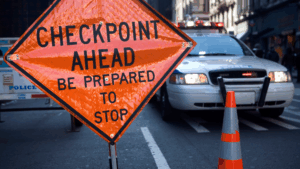
Police in downtown Phoenix are ringing in the new year with increased DUI checkpoints, according to Fox 10 Phoenix. Last year, enhanced statewide DUI patrols over the Christmas and New Year’s holidays led to 1,400 arrests based on police data. Arizona State Troopers continue to encourage drivers to be responsible and drive sober going into 2026, utilizing rideshare apps and designated drivers. Drivers who are processed through checkpoints should expect heightened enforcement and can potentially face serious consequences if caught driving under the influence, including jail time.
This heightened enforcement effort underscores the dangers impaired driving poses to everyone on Arizona roadways, particularly during times when traffic volume and alcohol consumption increase. DUI checkpoints and saturation patrols are designed to deter dangerous behavior before serious crashes occur, but arrests can still carry immediate and long-term legal consequences. Arizona law treats DUI offenses seriously, and increased enforcement means drivers face a higher likelihood of arrest, license suspension, and criminal charges. If you or someone you know is facing a DUI charge stemming from a checkpoint stop, give us a call at (480) 757-2164 today and let us jump into action to help you right the ship.
Why Legal Representation Matters When Facing Charges After a Downtown Phoenix DUI Arrest
After a Downtown Phoenix DUI arrest, the legal process can move quickly and involve strict deadlines, complex procedures, and serious potential consequences, and at Oliverson Law, we understand how overwhelming this experience can feel. We help clients navigate every stage of the case by reviewing the circumstances of the stop, examining testing procedures, and identifying issues that may affect the validity of the charges. DUI arrests in downtown Phoenix often involve increased police presence, checkpoints, and heightened enforcement, which makes careful legal analysis especially important. Our role is to protect our clients’ rights from the very beginning and ensure that the law enforcement present followed proper procedures.
At Oliverson Law, we work closely with individuals facing charges after a Downtown Phoenix DUI arrest to develop strategies tailored to their specific situation. We manage communication with prosecutors, address administrative license consequences, and pursue options that may reduce penalties or long-term impact. Our team believes in clear communication and proactive advocacy, keeping our clients informed while we handle the legal complexities. By providing experienced representation and focused support, we help clients move forward with greater confidence during a challenging time.
Common Factors Leading to a Downtown Phoenix DUI Arrest
A downtown Phoenix DUI arrest often occurs under conditions that increase enforcement and impaired driving risks. Heavy nightlife activity, special events, and concentrated police patrols contribute to higher arrest rates. Additionally, congested streets and late-night driving patterns raise the likelihood of law enforcement encounters. Understanding these factors helps explain why DUI arrests frequently occur in this area.
Increased Police Presence and DUI Enforcement Zones
Downtown Phoenix experiences heightened DUI enforcement compared to other areas. Law enforcement agencies concentrate resources in this region.
DUI Checkpoints and Saturation Patrols
Police regularly conduct DUI checkpoints in downtown Phoenix during weekends and holidays. Saturation patrols involve multiple officers monitoring a concentrated area. These efforts increase the likelihood of traffic stops. Drivers may encounter officers more frequently. Awareness of enforcement patterns helps explain arrest frequency.
Late-Night and Weekend Enforcement Focus
DUI enforcement often increases during late-night hours. Weekends and special events draw larger crowds downtown. Alcohol consumption rises during these times. Law enforcement adjusts patrol schedules accordingly. Timing plays a significant role in arrests.
Traffic Patterns and Driving Conditions Downtown
Downtown driving conditions differ from suburban roadways. These differences affect how DUI investigations unfold.
Congested Streets and Pedestrian Traffic
Downtown Phoenix features narrow streets and frequent pedestrian crossings. Drivers must navigate complex traffic conditions. Minor driving errors become more noticeable. Officers may initiate stops more quickly. Environment influences enforcement decisions.
Parking, One-Way Roads, and Navigation Errors
Confusing road layouts increase navigation mistakes. One-way streets often contribute to improper turns. Parking congestion adds pressure to drivers. These issues can prompt officer attention. Navigation challenges play a role.
What to Expect After a Downtown Phoenix DUI Arrest
After a downtown Phoenix DUI arrest, individuals often face immediate legal and administrative consequences. The process moves quickly and involves multiple agencies. Understanding what follows helps reduce uncertainty. Preparation supports more informed decision-making.
Immediate Post-Arrest Procedures
The hours following a DUI arrest involve several required steps. These actions set the stage for future proceedings.
Booking, Release, and Initial Paperwork
After arrest, individuals are typically booked and processed. Officers collect personal information and fingerprints. Release may occur through citation or bail. Paperwork outlines charges and next steps. Careful review remains important.
Temporary License Status and Notices
Drivers often receive notice of license suspension after arrest. Temporary driving permits may apply. Deadlines for administrative hearings arrive quickly. Missing deadlines affects driving privileges. Prompt attention remains essential.
Upcoming Court and Administrative Proceedings
A downtown Phoenix DUI triggers both criminal and administrative processes. Each requires separate attention.
Criminal Court Arraignment and Hearings
The court schedules an arraignment soon after arrest. Charges are formally presented during this hearing. Additional court dates may follow. Preparation helps reduce confusion. Understanding procedures supports participation.
Motor Vehicle Division License Actions
Arizona’s Motor Vehicle Division handles license consequences separately. Suspension or revocation may proceed regardless of court outcomes. Hearing requests follow strict timelines. Compliance protects driving options. Awareness helps avoid penalties.
Penalties and Consequences of a Downtown Phoenix DUI Conviction
A downtown Phoenix DUI conviction carries serious legal, financial, and personal consequences due to Arizona’s strict impaired driving laws. Courts treat DUI offenses seriously, particularly in high-enforcement areas like downtown Phoenix where public safety concerns remain elevated. Penalties often begin immediately and may continue long after a case concludes. Understanding these consequences helps individuals prepare for both short-term challenges and long-term impacts.
Criminal Penalties Imposed After a DUI Conviction
Criminal penalties form the foundation of consequences following a downtown Phoenix DUI conviction. These penalties depend on the charge level and surrounding circumstances.
Misdemeanor DUI Charges and Sentencing Ranges
Most downtown Phoenix DUI convictions begin as misdemeanors, but penalties can still be significant. Courts may impose fines, probation, mandatory classes, or incarceration. Sentencing often reflects factors such as blood alcohol concentration and driving behavior. Even first-time offenses carry mandatory minimum penalties. Criminal convictions create lasting legal records.
Aggravated DUI and Felony Consequences
Certain factors elevate a DUI to an aggravated offense. These factors may include driving on a suspended license or multiple prior offenses. Felony DUI convictions carry harsher penalties. These penalties may include extended incarceration and longer probation terms. Felony status significantly increases long-term consequences.
Jail Time and Incarceration Exposure
Jail time remains one of the most serious outcomes of a downtown Phoenix DUI conviction. Arizona law mandates incarceration in many DUI cases.
Mandatory Jail Sentences for DUI Offenses
Arizona imposes mandatory jail sentences even for some first-time DUI convictions. Judges have limited discretion to waive incarceration entirely. Length of confinement depends on the specific charge. Mandatory sentencing reflects the state’s strict stance. Jail exposure creates immediate disruption.
Increased Jail Time for High BAC or Repeat Offenses
Higher blood alcohol levels increase required jail time significantly. Repeat DUI convictions trigger enhanced incarceration penalties. Courts impose stricter sentences for repeat behavior. Escalating penalties reflect increased public safety concerns. Prior history heavily influences outcomes.
Driver’s License Suspension and Driving Restrictions
License consequences often begin quickly after a downtown Phoenix DUI conviction. These penalties affect daily mobility and independence.
Length of License Suspension or Revocation
License suspension periods vary based on offense severity. Some convictions result in lengthy revocation rather than suspension. Loss of driving privileges affects work and personal responsibilities. Reinstatement requires meeting strict conditions. Driving restrictions remain impactful.
Ignition Interlock Device Requirements
Arizona frequently requires ignition interlock device installation after DUI convictions. Devices prevent vehicle operation if alcohol is detected. Installation and monitoring involve ongoing costs. Interlock requirements may last months or years. Compliance remains mandatory.
Financial Penalties and Long-Term Costs
A downtown Phoenix DUI conviction creates substantial financial burdens beyond court fines. Costs often accumulate over time.
Court Fines, Fees, and Assessments
Courts impose fines along with mandatory assessments and surcharges. These financial penalties add up quickly. Payment plans may be required. Missed payments can create additional penalties. Financial obligations extend beyond sentencing.
Insurance Premium Increases and Hidden Costs
DUI convictions often lead to dramatic insurance premium increases. Some insurers may cancel coverage entirely. Reinstatement fees and program costs add additional expenses. Long-term financial impact may last years. Planning becomes essential.
Probation and Court-Ordered Requirements
Probation commonly follows a downtown Phoenix DUI conviction. The terms of probation impose ongoing obligations.
Probation Conditions and Compliance Expectations
Probation may include reporting requirements, travel restrictions, or testing. Courts expect strict compliance with all conditions. Violations can result in additional penalties. Understanding obligations remains critical. Oversight continues throughout probation.
Mandatory Alcohol Education or Treatment Programs
Courts often require completion of alcohol education or treatment programs. These programs aim to reduce repeat offenses. Attendance and completion documentation may be required. Failure to comply affects probation status. Participation becomes mandatory.
Impact on Employment and Professional Licensing
A downtown Phoenix DUI conviction may affect professional and employment opportunities. Consequences extend beyond the courtroom.
Background Checks and Employment Considerations
Many employers conduct criminal background checks. DUI convictions may raise concerns during hiring or promotion decisions. Certain industries apply stricter standards. Disclosure requirements may apply. Employment impact varies widely.
Professional Licenses and Certifications
Some professions require state-issued licenses or certifications. Licensing boards often review criminal history. DUI convictions may delay or complicate approvals. Ongoing reporting obligations may apply. Career planning becomes important.
Long-Term Consequences of a DUI Conviction
The long-term effects of a downtown Phoenix DUI conviction often outlast immediate penalties. These consequences influence future decisions.
Permanent Criminal Record and Disclosure Issues
Convictions remain part of a permanent criminal record. Disclosure may be required for certain applications. Records affect future opportunities. Expungement options may be limited. Long-term impact deserves consideration.
Enhanced Penalties for Future DUI Offenses
Future DUI charges carry increased penalties after a prior conviction. Courts impose harsher sentencing for repeat offenses. Penalty escalation increases risk significantly. Prior convictions remain influential. Prevention becomes critical.
Understanding the Full Scope of Consequences
Understanding the full scope of penalties helps individuals make informed decisions. Awareness supports preparation and planning.
Short-Term Disruption and Long-Term Planning
Short-term penalties often cause immediate disruption to daily life. Long-term consequences require careful planning. Awareness helps manage expectations. Preparation reduces uncertainty. Knowledge supports informed choices.
Importance of Informed Legal Strategy
Understanding potential penalties influences legal strategy decisions. Early awareness helps guide next steps. Informed planning supports better outcomes. Preparation remains essential throughout the process. Knowledge empowers action.
Challenging the Legality of DUI Checkpoints in Downtown Phoenix
DUI checkpoints are frequently used in downtown Phoenix due to heavy traffic, nightlife activity, and heightened enforcement priorities. However, these checkpoints must follow strict constitutional and procedural rules to remain lawful. When law enforcement fails to comply with these requirements, the legality of the checkpoint may be challenged. Understanding how checkpoints must operate helps clarify when enforcement actions cross legal boundaries.
Legal Standards Governing DUI Checkpoints in Arizona
Arizona allows DUI checkpoints, but only when agencies comply with specific legal standards. These requirements exist to protect individual rights and prevent arbitrary enforcement.
Advance Planning and Supervisory Oversight
Law enforcement agencies must plan DUI checkpoints in advance rather than making spontaneous decisions. Supervisory personnel must approve checkpoint locations, timing, and procedures. Officers in the field cannot independently decide checkpoint details. Advance planning helps ensure neutral enforcement. Lack of oversight may raise constitutional concerns.
Neutral and Objective Stopping Criteria
Checkpoint operations must use neutral criteria when stopping vehicles. Officers cannot selectively stop drivers based on appearance or behavior. Common neutral methods include stopping every vehicle or every third vehicle. Consistent application protects against discriminatory enforcement. Deviations may affect legality.
Public Notice and Visibility Requirements
Transparency plays a critical role in lawful DUI checkpoint operations. Drivers must receive adequate notice and clear visual cues.
Advance Public Notice of Checkpoint Operations
Law enforcement agencies are generally required to provide advance public notice of checkpoint locations. Notices may appear through media announcements or public bulletins. This requirement promotes transparency and deterrence rather than surprise. Failure to provide notice may undermine legality. Public awareness supports constitutional balance.
Proper Signage and Safety Measures at the Checkpoint
Checkpoints must include visible signage, lighting, and marked patrol vehicles. These features alert drivers that the stop is official and lawful. Poor visibility may create confusion or safety hazards. Adequate warning reduces fear and risk. Proper setup supports lawful operation.
Limits on Officer Discretion During Checkpoints
Officers conducting DUI checkpoints must operate within clearly defined limits. Excessive discretion can create legal problems.
Scope and Duration of the Stop
Checkpoint stops must remain brief and focused on DUI screening. Officers cannot prolong stops without specific justification. Extended questioning may require independent reasonable suspicion. Duration limits protect drivers from unnecessary intrusion. Exceeding scope may invalidate the stop.
Questioning and Requesting Sobriety Tests
Officers may ask limited questions during initial screening. Field sobriety tests generally require reasonable suspicion beyond the checkpoint stop. Blanket testing without cause may violate legal standards. Each request must follow proper justification. Procedure protects fairness.
Common Issues That Lead to Checkpoint Challenges
Several recurring issues may form the basis for challenging a downtown Phoenix DUI checkpoint. Identifying these problems requires careful review.
Inconsistent Stopping Patterns or Selective Enforcement
Officers must apply stopping patterns consistently throughout the operation. Deviations from established patterns raise concerns about discretion. Selective enforcement undermines neutrality requirements. Documentation helps identify inconsistencies. Fair application remains essential.
Lack of Documentation or Operational Records
Checkpoint operations should generate written plans and records. Missing or incomplete documentation may suggest procedural failures. Records help confirm compliance with legal standards. Absence of documentation weakens enforcement justification. Proper records support legality.
Constitutional Considerations and Individual Rights
DUI checkpoint challenges often involve constitutional protections. These protections balance public safety and personal freedom.
Fourth Amendment Protections Against Unreasonable Seizure
Checkpoint stops qualify as seizures under the Fourth Amendment. Courts allow them only under carefully limited conditions. Failure to meet requirements may render stops unreasonable. Constitutional analysis remains central. Rights protection guides enforcement limits.
Balancing Public Safety and Individual Privacy
Courts evaluate whether checkpoints strike a reasonable balance between safety and privacy. Excessive intrusion undermines this balance. Properly designed checkpoints emphasize deterrence rather than investigation. Balance supports legality. Oversight ensures fairness.
Evaluating Whether a Checkpoint Challenge Applies
Not every DUI checkpoint will present legal issues, but careful evaluation remains important. Each operation involves unique facts.
Reviewing Checkpoint Planning and Execution
Evaluating planning documents and operational conduct helps determine compliance. Timelines, approvals, and procedures receive close review. Small deviations may have legal significance. Thorough evaluation supports informed conclusions. Details matter.
Identifying Whether Rights Were Violated
Checkpoint challenges focus on whether rights were compromised during enforcement. Violations may involve detention length, questioning, or testing. Identifying these issues requires careful analysis. Rights evaluation guides next steps. Understanding supports informed decisions.
Importance of Careful Legal Review
Challenging the legality of a downtown Phoenix DUI checkpoint requires detailed legal and factual analysis. Careful review helps protect constitutional rights.
Ensuring Lawful Enforcement Practices
Legal review helps ensure that enforcement practices comply with established standards. Accountability promotes fairness and transparency. Proper challenges encourage lawful operations. Oversight benefits public trust. Review supports balance.
Protecting Drivers From Improper Checkpoint Procedures
When checkpoints exceed legal limits, challenges help prevent improper enforcement. Protecting rights maintains constitutional integrity. Fair application remains essential. Legal safeguards matter. Careful scrutiny supports justice.

How a Phoenix DUI Lawyer Helps Provide Expert Representation
Facing DUI charges in Arizona can feel overwhelming due to strict laws, fast-moving procedures, and serious potential consequences. A Phoenix DUI lawyer provides expert representation by guiding individuals through each stage of the legal process with clarity and strategy. Additionally, legal support helps protect rights during investigations, hearings, and negotiations. With experienced representation, individuals can approach their case with greater understanding and confidence.
Evaluating the DUI Arrest and Initial Investigation
A careful review of the arrest and investigation forms the foundation of effective DUI representation. A Phoenix DUI lawyer examines whether law enforcement followed proper legal standards from the very beginning of the encounter. This review considers the reasons officers initiated contact and how the investigation unfolded. Early analysis helps identify weaknesses that may influence the direction of the case. A thorough evaluation supports more informed and strategic decision-making.
Reviewing the Legality of the Traffic Stop
Law enforcement must have a valid legal reason to initiate a traffic stop under Arizona law. A Phoenix DUI lawyer evaluates whether officers observed lawful grounds such as traffic violations or reasonable suspicion. Improper stops may raise constitutional concerns that affect the admissibility of evidence. Reviewing dash camera footage and reports often clarifies the officer’s stated justification. This analysis helps determine whether the stop complied with legal standards.
Analyzing Officer Conduct During the Arrest
Officers must follow specific procedures during DUI investigations to ensure fairness and accuracy. A Phoenix DUI lawyer reviews interactions, questioning methods, and arrest techniques carefully. Deviations from required conduct may affect evidence reliability and case strength. Accurate timelines help assess whether procedures were followed appropriately. Careful review protects against improper or overly aggressive enforcement actions.
Examining DUI Testing and Evidence Collection
Testing and evidence play a central role in DUI cases and often determine how charges are pursued. A Phoenix DUI lawyer evaluates whether these elements meet legal, procedural, and scientific standards. Improper evidence collection can weaken the prosecution’s position significantly. Each step of the process requires careful scrutiny. Accurate evaluation supports a fair outcome.
Reviewing Field Sobriety Test Administration
Field sobriety tests must follow standardized guidelines to produce reliable and consistent results. A Phoenix DUI lawyer examines testing conditions, instructions, and environmental factors closely. Poor lighting, uneven surfaces, or unclear directions may influence performance unfairly. Officer notes and video footage often provide important context. Careful review helps determine whether results accurately reflect impairment.
Evaluating Breath and Blood Test Accuracy
Chemical testing devices require regular calibration and strict procedural compliance. A Phoenix DUI lawyer reviews maintenance records, operator certifications, and testing protocols carefully. Errors during collection or processing may affect reliability and validity. Chain-of-custody documentation receives close attention to ensure sample integrity. Accurate testing remains essential for fair evaluation.
Protecting Rights During the Legal Process
Protecting constitutional and procedural rights remains a core part of DUI defense representation. A Phoenix DUI lawyer ensures these rights receive consistent attention throughout the case. Rights violations can influence both evidence and outcomes. Early identification of issues helps prevent further complications. Vigilant oversight supports fairness and due process.
Safeguarding the Right Against Self-Incrimination
Statements made during DUI investigations may significantly influence case outcomes. A Phoenix DUI lawyer reviews how, when, and why statements occurred. Improper questioning or failure to respect rights may raise legal concerns. Context matters when evaluating the reliability of statements. Protecting these rights helps ensure fair treatment.
Ensuring Due Process and Fair Treatment
Due process requires adherence to legal procedures at every stage of a DUI case. A Phoenix DUI lawyer monitors timelines, filings, and hearings carefully. Missed steps or procedural shortcuts can affect outcomes. Proper oversight ensures legal requirements are met consistently. Compliance supports confidence in the process.
Managing Administrative License Consequences
DUI cases often involve separate administrative proceedings related to driving privileges. A Phoenix DUI lawyer helps manage these processes alongside the criminal case. Administrative actions can occur quickly and require immediate attention. Understanding both systems helps avoid unnecessary penalties. Coordinated handling supports better outcomes.
Addressing License Suspension and Hearing Deadlines
Arizona imposes strict deadlines for license suspension hearings following DUI arrests. A Phoenix DUI lawyer helps navigate these time-sensitive requirements carefully. Missing deadlines may result in automatic suspension without review. Timely action preserves the opportunity to challenge penalties. Organization and prompt response remain critical.
Exploring Restricted Driving Options
Some individuals may qualify for restricted or limited driving privileges during suspension periods. Eligibility depends on specific statutory criteria and compliance requirements. A Phoenix DUI lawyer explains available options clearly and thoroughly. Understanding restrictions helps prevent violations and further penalties. Proper guidance supports stability during the process.
Developing Strategic Defense Approaches
Every DUI case presents unique facts that require tailored defense strategies. A Phoenix DUI lawyer develops approaches based on evidence, procedure, and individual circumstances. Strategy selection influences negotiations and courtroom outcomes. Careful planning helps address risks proactively. Preparation strengthens defense positioning.
Challenging Evidence and Procedural Errors
Defense strategies may involve challenging evidence collection or testing procedures. Procedural errors can affect whether evidence is admissible in court. A Phoenix DUI lawyer prepares these challenges through detailed analysis and documentation. Strategic challenges help limit unreliable evidence. Thorough preparation strengthens defense arguments.
Exploring Mitigation and Alternative Resolutions
Some cases allow mitigation through education programs or negotiated resolutions. A Phoenix DUI lawyer explains these possibilities clearly and evaluates their suitability. Courts may consider proactive steps favorably when determining outcomes. Planning helps reduce long-term impact where possible. Strategic mitigation supports more balanced resolutions.
Representing Clients During Court Proceedings
Court appearances form a critical part of DUI cases and require careful preparation. A Phoenix DUI lawyer provides guidance and advocacy throughout each proceeding. Understanding court expectations helps reduce uncertainty. Preparation improves confidence and participation. Representation ensures interests are presented clearly.
Preparing for Hearings and Court Appearances
Understanding court expectations reduces stress and confusion during proceedings. A Phoenix DUI lawyer explains procedures, roles, and potential outcomes clearly. Preparation helps individuals feel more confident and engaged. Knowing what to expect supports informed decision-making. Guidance promotes smoother participation.
Advocating During Negotiations and Litigation
Negotiation with prosecutors often plays a key role in DUI case resolution. A Phoenix DUI lawyer presents arguments clearly and effectively during discussions. Strong advocacy protects interests and supports fair consideration. Litigation readiness improves leverage when negotiations stall. Representation supports effective resolution.
Providing Ongoing Guidance and Communication
Legal representation extends beyond filings and hearings in DUI cases. A Phoenix DUI lawyer provides consistent support throughout the entire process. Ongoing guidance helps individuals remain informed and prepared. Clear communication reduces confusion and anxiety. Consistent support strengthens confidence.
Maintaining Clear and Consistent Communication
Regular updates help individuals stay informed about case developments. A Phoenix DUI lawyer explains changes, deadlines, and next steps clearly. Transparency builds trust and understanding over time. Informed individuals can make better decisions. Communication supports clarity throughout the process.
Reducing Stress Through Structured Legal Support
Managing legal responsibilities reduces personal stress during a challenging time. A Phoenix DUI lawyer handles procedural details and critical deadlines. This structure allows focus on work, family, and daily responsibilities. Organized support provides stability during uncertainty. Guidance remains essential throughout the case.
Contact an Experienced Downtown Phoenix DUI Defense Lawyer
When facing DUI charges in downtown Phoenix, choosing the right legal representation can have a significant impact on the outcome of your case. At Oliverson Law, we have extensive experience handling DUI matters arising from Downtown Phoenix DUI arrests, including cases involving heightened enforcement, checkpoints, and complex evidentiary issues. We take a thorough approach to every case by examining police conduct, reviewing testing procedures, and identifying weaknesses that may affect the prosecution’s claims. Our focus remains on protecting our clients’ rights while pursuing strategies designed to limit penalties and long-term consequences.
At Oliverson Law, we understand that a DUI charge can affect nearly every aspect of your life, from your driving privileges to your employment and reputation. We work closely with our clients to provide clear guidance, honest assessments, and consistent communication throughout the legal process. Our team is committed to standing by you at every stage and advocating for the best possible resolution under the circumstances. Call us today at (480) 757-2164 or reach out through our online form for a free consultation.